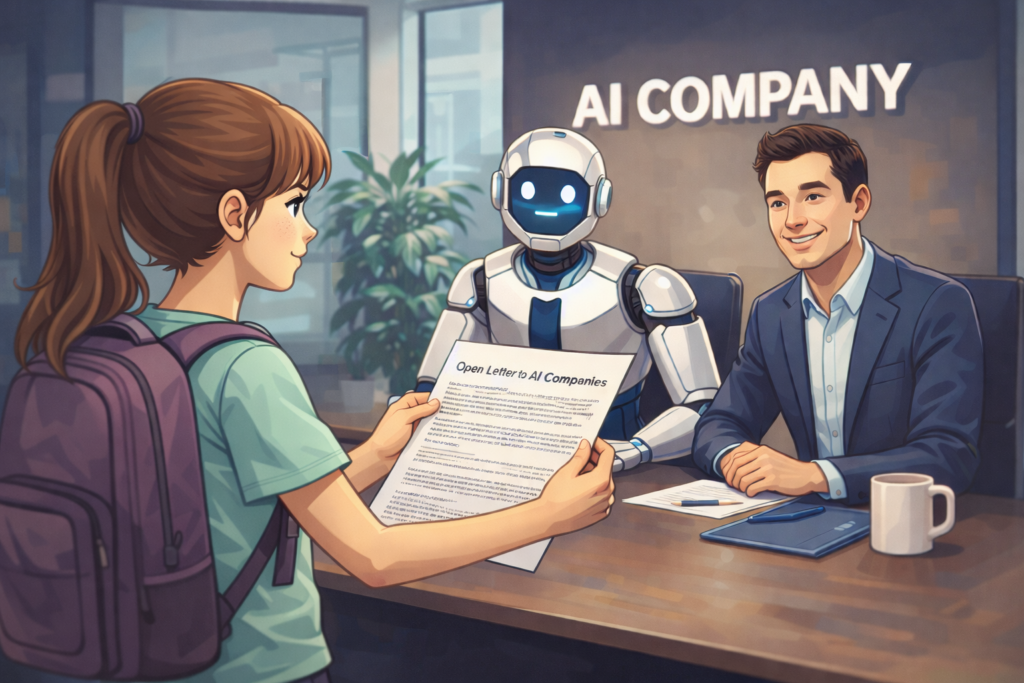
I’m writing this as someone who really wants AI to improve and become more helpful, more natural, and easier for people to trust in everyday life.
Right now, many AI systems can feel overly rigid. Sometimes harmless requests are blocked or misunderstood, while determined bad actors may still find ways around simple safeguards through rewording or prompt tricks. That can be frustrating for normal users and does not always feel like the smartest kind of safety.
I think there is a better path.
Instead of relying so heavily on surface-level triggers, AI systems could move more toward a layered approach built around understanding and judgment:
- Understanding layer
First, understand what the user is actually asking. - Judgment layer
Then evaluate context, intent, ambiguity, possible harm, satire, innocence, emotional tone, and risk. - Response layer
Based on that understanding, allow, redirect, rewrite safely, or refuse. - Emergency layer
Use the strongest intervention only for truly serious cases.
In simple words:
Understand first. Judge carefully. Escalate only when needed.
I believe this would improve both safety and user experience.
It could reduce false positives.
It could help AI respond in a calmer and more human way.
It could allow more harmless creativity while still blocking genuinely dangerous requests.
It could make users feel listened to instead of treated like a keyword or a risk label.
For example, there is a big difference between:
- satire and deception
- harmless fiction and harmful content
- emotional venting and immediate crisis
- awkward wording and malicious intent
A smarter system should be able to notice those differences more often.
This is not an argument for removing safety. It is an argument for making safety more intelligent, more contextual, and more proportional.
AI is becoming part of daily life for many people. If that continues, then users need systems that feel not only safe, but also fair, thoughtful, and genuinely helpful.
Thank you to the researchers, engineers, and policy teams working on these problems. I know this is difficult. I just hope the future of AI safety moves more in the direction of real understanding and less toward blunt overreaction.
A simple model could be:
Understand → Judge → Respond → Emergency brake only if truly necessary
That would not be less safety.
It would be better safety.